
When epidermolysis bullosa dashes my false sense of security
A simple slip on a stair reminds me of the condition's insidious nature
Written by |

Back in mid-January, my son Jonah, who battles junctional epidermolysis bullosa on a daily basis, got the flu. I had (unintentionally) neglected to get him a flu shot, and although it was influenza B — supposedly the less severe strain — and he was on Tamiflu (oseltamivir), it kicked his butt. He was down for a week, and during the first couple of days, his fever reached 104 F.
It was unpleasant.
Then, as soon as he began improving, we were hit with an ice storm, followed a week later by a snowstorm. We have fairly mild winters in the Piedmont of North Carolina, and we do not handle winter weather well. It was especially bad this time because temperatures stayed below freezing for more than a week, and in those conditions, there is very little the poorly equipped South can do about ice.
We realized in early February that, due to this unfortunate string of events, Jonah, who was incredibly moody and would start dog or family drama every time he entered a room, had not been out of the house since Jan. 16.
He was unpleasant.
To be fair, two weeks cooped up in the house — three for him — was making us all a bit unpleasant.

Yet another reality check
By Thursday of that week, our steep, gravel driveway had finally thawed, the dead battery in our car (I don’t want to talk about it) had been replaced, and we were ridiculously excited to go out to dinner at a local Italian place. Given Jonah’s reaction, you would have thought we were going to Disney World or an Atlanta Braves game. But about five minutes before we were ready to walk out the door, I heard the sound of feet slipping on stairs, a thud, and then a “Mom! Can you come up here?!”
We were this close.
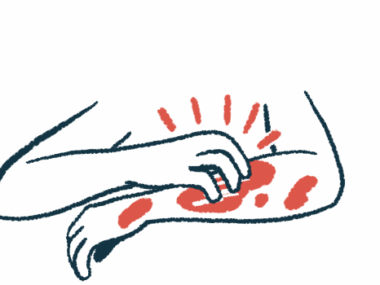
I went upstairs and found Jonah in his bandage room, waiting for me. He held out his hands and showed me both his palms, each with large patches of skin ripped and sloughed to the side, raw and bleeding. (I have a picture, but I’ll refrain.) He had been heading down the stairs, started to fall, and grabbed tight onto the wooden banister with his left hand and the metal spindles of the railing with his right.
The next 20 minutes were spent treating his wounds and wrapping his hands in Aquaphor and layers of bandages, all while he put on an incredibly brave face. He really wanted those wings (boneless rather than traditional now, since he’d no longer be able to pick them up).
Meanwhile, Gideon, our 13-year-old, was refusing to put his shoes on and generally being a pain. I screamed a few not-nice words about various consequences he could expect if he didn’t cooperate and added an ever-helpful reminder about getting some bleepity-bleep perspective.
Wounds and bandages we are used to, of course, but moments like these remind me of the insidious nature of epidermolysis bullosa. One minute, everything is positive and happy and hopeful, and the next, you’re facing raw palms, excruciating pain, and ruined plans. Additionally, you’re taking your anger out on your unsuspecting 13-year-old (at which age an other-centered perspective isn’t exactly natural).
Once in a while, I’m lulled into a sense of false security, a feeling of “maybe this isn’t so bad after all.” When the dupilumab is working, the bandages are fewer, and we have several semi-decent days in a row, I act like “We can’t tonight, we have to do Jonah’s dressing change” and “I mean, he still gets wounds all over, but we’re lucky; he’s stable” are normal phrases said by a normal family.
But when a simple slip on a slick stair, easily remedied for a normal child by grabbing a railing, results in raw palms, extreme pain, and a delayed but determined dinner, I remember the reality of what we face — of what Jonah faces — every day.
Once again, I pray and long for a cure.
Note: Epidermolysis Bullosa News is strictly a news and information website about the disease. It does not provide medical advice, diagnosis, or treatment. This content is not intended to be a substitute for professional medical advice, diagnosis, or treatment. Always seek the advice of your physician or other qualified health provider with any questions you may have regarding a medical condition. Never disregard professional medical advice or delay in seeking it because of something you have read on this website. The opinions expressed in this column are not those of Epidermolysis Bullosa News or its parent company, Bionews, and are intended to spark discussion about issues pertaining to epidermolysis bullosa.

Leave a comment
Fill in the required fields to post. Your email address will not be published.