EB symptoms generally stay stable or even ease during pregnancy: Study
But findings highlight need for personalized reproductive care for patients
Written by |

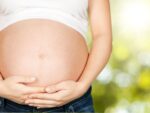
Women with epidermolysis bullosa (EB) generally do not experience a worsening of disease symptoms during pregnancy — in fact, some expectant mothers with EB, particularly those with more severe disease, report that symptoms such as itching and blistering ease during pregnancy.
Those are the findings of a new study from Austria that further reported that most pregnant women with EB are able to deliver vaginally, and that vaginal birth may be feasible even for women with disease involvement in the reproductive tract.
Complications during and after birth were mainly reported in individuals with more severe EB, who were also more likely to deliver by cesarean section, the researchers noted.
Still, the team stressed the need for personalized care, both during and after pregnancy, for women with the rare skin disease, which leads to fragile skin that easily blisters and tears.
“Our findings underscore the necessity of an individualised, multidisciplinary approach to reproductive care in EB, ensuring that patients’ needs and risks are balanced to optimise pregnancy outcomes,” researchers wrote.
The study, “Patient-reported outcomes during pregnancy and delivery in epidermolysis bullosa,” was published in the journal BMC Pregnancy and Childbirth.
EB refers to a group of disorders that affect the structural integrity of the skin, leading to symptoms such as blisters and wounds that don’t heal well. To date, however, there has been very limited evidence on how people with EB navigate pregnancy, making it difficult for patients and clinicians to make informed choices.
Researchers focus on pregnancy outcomes in EB
Seeking to learn more about pregnancy outcomes in EB, scientists from the University Hospital of the Paracelsus Medical University in Salzburg conducted a survey of 19 women with EB who had given birth at least once. Because some of the women had multiple children, a total of 33 pregnancies were assessed.
The researchers noted that, while the study involved a small number of women, it included individuals with all the major types of EB.
“This study is, to date, the largest retrospective analysis on pregnancy in women with EB,” the teamwrote.
Most of the women reported that their EB symptoms, such as the number of new wounds or lesions, were stable throughout their pregnancy. A few women, particularly those with moderate EB, reported that some disease symptoms worsened during pregnancy. Other women, however, especially those with more severe disease, said their symptoms eased when they were pregnant.
“Most [EB symptoms] were recalled to have had remained overall unchanged during pregnancy, particularly in patients with mild EB. However, in patients with moderate EB, a trend toward worsening of clinical symptoms during pregnancy was observed, while patients with severe EB reported a subjective improvement in most symptoms,” the researchers wrote. The team noted that there was no easing of heartburn among patients seeing fewer symptoms.

Many symptoms were those common to all pregnant women
The most commonly-reported health complaints related to pregnancy itself were fatigue, heartburn, and nausea, all of which are common among pregnant people in the general population.
The researchers also noted that nearly a third of the pregnancies were complicated by anemia, or low levels of red blood cells or of hemoglobin, the protein used to transport oxygen through the bloodstream. Anemia is also a common pregnancy complication; however, because can also be a symptom of EB, the researchers highlighted a need for clinicians to be vigilant about monitoring for and managing anemia in pregnant people who have the skin condition.
Most of the pregnancies ended with the babies delivered vaginally. There were also some patients who gave birth via Caesarean section. The team noted that women who underwent a C-section tended to have more severe EB and often had disease involvement affecting the reproductive area.
Importantly, however, there were also some women with disease involvement in the genitals who nonetheless gave birth vaginally, the team noted.
“Even in the presence of vulvovaginal [vulva and/or vagina] lesions, vaginal birth may be a viable and safe option when accompanied by appropriate monitoring and care,” the researchers wrote.
The most common complication related to birth was tearing of the perineum, or the skin between the genitals and anus, which occurred in 15% of the pregnancies. This kind of tearing can affect anyone who gives birth vaginally, but people with EB may be at especially high risk due to their more fragile skin, the researchers said.
Other birth complications, such as an abnormally wrapped umbilical cord or the baby in breech position (feet-down instead of head-down), also were reported in a handful of cases. Such complications from birth were only reported in women with moderate or severe EB.
Some symptoms worsened following birth
Following birth, a worsening of genital symptoms was reported in 21% of pregnancies. This usually affected women with more severe EB, though the researchers noted that worsening of genital symptoms occurred in patients who had given birth vaginally and also in those who had a cesarean section.
About half of the patients breastfed their babies, the data showed. Women with more severe EB, in particular, often elected not to breastfeed, which the researchers said likely reflects concerns about blisters and injuries to the nipple.
Given the known health benefits of breastfeeding for newborns, the scientists called for clinicians to give moms with EB more support to find techniques that can be used to breastfeed with minimal risk. This could include support to ensure proper latching and positioning, as well as the use of devices such as nipple shields.
Our data demonstrate that most patients with mild EB report no or only modest changes of EB symptoms during pregnancy. … Symptomatic improvement was experienced by some EB patients.
Overall, according to the researchers, these findings emphasize a need for tailored care to support people with EB during and after pregnancy.
“Our data demonstrate that most patients with mild EB report no or only modest changes of EB symptoms during pregnancy,” the team concluded, noting that “symptomatic improvement was experienced by some EB patients with moderate or severe disease.”