
Natural compound clitocine helps restore missing protein in JEB cells
Study found mushroom compound also improved skin cell attachment, survival
Written by |
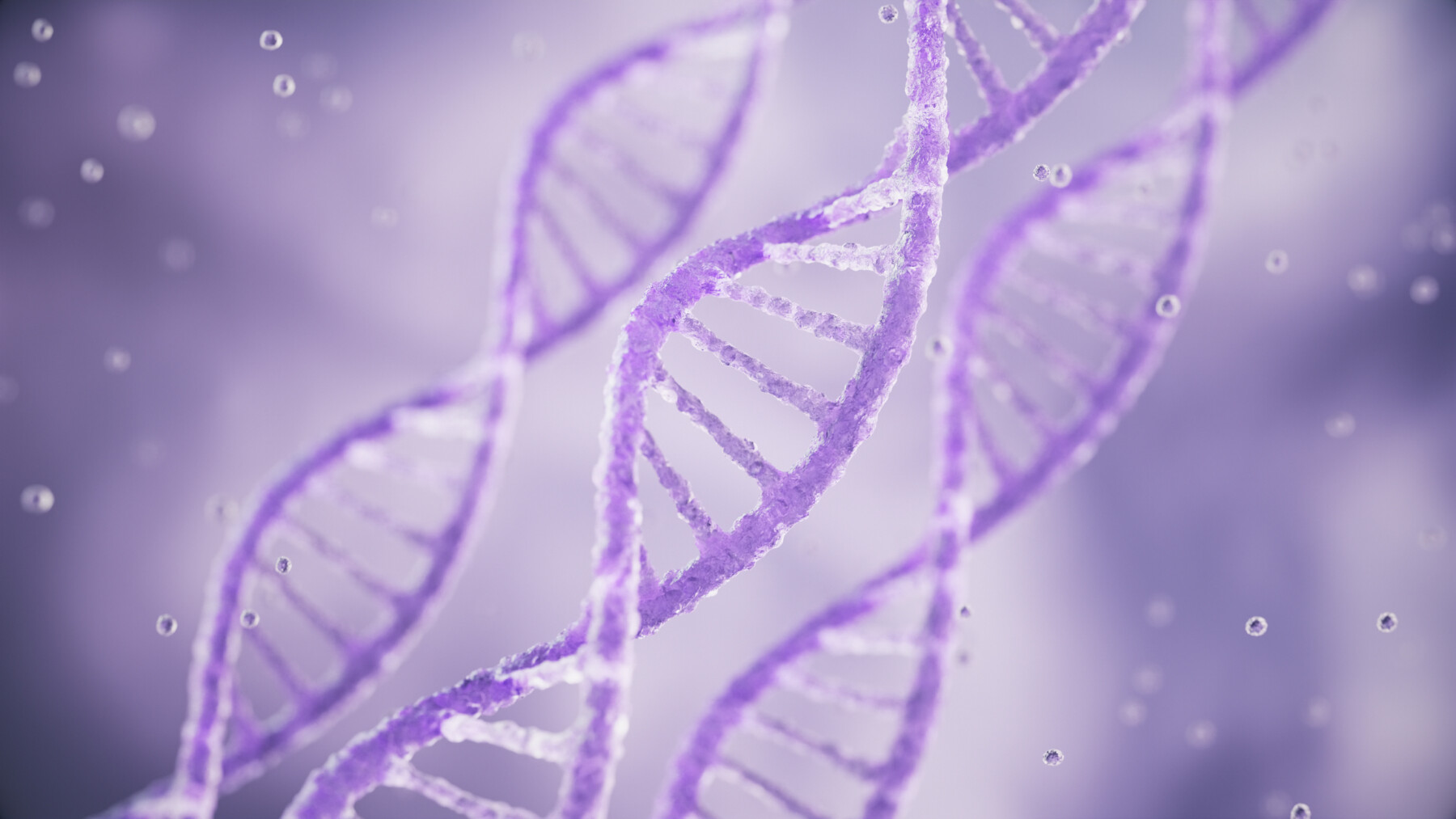
Clitocine helped restore the missing production of a key protein in skin cells from people with junctional epidermolysis bullosa caused by certain mutations in the LAMB3 gene, a study found. (Photo from iStock)
A naturally occurring compound called clitocine helped restore the missing production of a key protein in skin cells from people with junctional epidermolysis bullosa (JEB) caused by certain mutations in the LAMB3 gene, a study found.
Clitocine, which is found in certain mushrooms, also improved how firmly the skin cells attached to their surroundings and helped them survive. The findings suggest the compound could offer a potential treatment approach for certain forms of JEB, according to researchers.
However, the effects varied with the dose used and differed between patient-derived skin cells carrying different disease-causing mutations. Also, a dose that improved cell adhesion in skin cells carrying certain LAMB3 mutations was toxic to cells carrying different LAMB3 mutations and to healthy skin cells during prolonged exposure.
“These findings highlight the importance of defining a therapeutic window and optimizing mutation-specific dosing,” researchers wrote.
The study, “Clitocine for Translational Readthrough in Junctional Epidermolysis Bullosa,” was published in Matrix Biology by a team of researchers at the University of Freiburg in Germany.
Researchers tested several compounds
JEB is a genetic disease that causes extremely fragile skin prone to blistering and wounds. One of its main causes is a deficiency of functional laminin-332, a protein that helps anchor the outer layer of skin to the tissue beneath it.
Laminin-332 is made up of three protein chains, each produced using instructions from a different gene: LAMA3, LAMB3, or LAMC2. Mutations in these genes can disrupt production of their respective protein chains, impairing the function of laminin-332.
Some of these mutations, known as nonsense mutations, introduce a premature stop signal into the genetic instructions. As a result, cells may produce a shortened, usually nonfunctional protein or fail to produce it altogether.
One potential way to treat nonsense mutations involves translational readthrough-inducing drugs, which help the cell’s protein-making machinery bypass the premature stop signal and produce a more complete, functional protein. One such drug, the antibiotic gentamicin, has shown promise in JEB, but its potential side effects, particularly with prolonged use, remain a concern.
To explore other options, the team of researchers tested several compounds that promote translational readthrough, comparing their ability to restore production of laminin beta-3, the component of laminin-332 encoded by LAMB3, with that of gentamicin.

Clitocine most effective at restoring production of protein
They used laboratory-grown skin cells, called keratinocytes, from two people with JEB. Both carried a LAMB3 nonsense mutation known as R635*. One had the mutation in both copies of the gene, while the other carried R635* in one copy and another nonsense mutation, R42*, in the second copy.
Among the compounds tested, clitocine was the most effective at restoring laminin beta-3 production in keratinocytes derived from both patients. Gentamicin had a weaker effect, while other compounds produced little or no detectable protein.
At a dose of 2.7 micromolar, clitocine restored laminin beta-3 to about 10% of normal levels in patient-derived keratinocytes carrying two copies of R635*, and to 29.2% in those carrying R635* and R42*.
The newly produced laminin beta-3 was also released outside the cells and deposited in the extracellular matrix — the network of proteins surrounding cells — alongside another component of laminin-332, suggesting it could help restore the structures that anchor skin cells to the underlying tissue.
These findings highlight the promising potential of clitocine as a targeted topical [applied to the skin] therapeutic agent for JEB, offering meaningful restoration of the laminin [beta-3] chain and improved cellular function, while underscoring the importance of careful dose optimization to balance efficacy and safety.
Restoring laminin beta-3 also improved cell attachment. In patient-derived keratinocytes carrying two copies of R635*, treatment with 2.7 micromolar of clitocine increased adhesion to a lab dish by approximately 8.5 times compared with untreated cells. Lower doses, of 0.675 and 1.35 micromolar, increased adhesion about sixfold.
Clitocine also helped these cells survive. After six days, treated cells remained attached and appeared healthy, while untreated cells progressively deteriorated and detached.
The researchers also examined whether repeated treatment could further increase protein production. Daily treatment for four days increased laminin beta-3 levels by 20% compared with treatment for two days. Clitocine also partly reversed disease-related changes in the activity of genes involved in wound healing and the organization of the extracellular matrix.
Despite these benefits, the researchers identified important safety concerns. At 2.7 micromolar, the same concentration that improved adhesion and survival in patient-derived keratinocytes carrying two copies of R635*, clitocine was toxic to both healthy keratinocytes and patient-derived keratinocytes carrying R635* and R42* during prolonged exposure.
Lower doses appeared less harmful but generally restored less laminin beta-3.
“These findings highlight the promising potential of clitocine as a targeted topical [applied to the skin] therapeutic agent for JEB, offering meaningful restoration of the laminin [beta-3] chain and improved cellular function, while underscoring the importance of careful dose optimization to balance efficacy and safety,” the researchers wrote.

Leave a comment
Fill in the required fields to post. Your email address will not be published.